
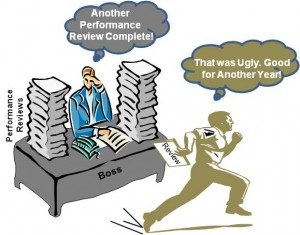
The subtle killer of organizational esprit de corps, productivity, and retaining top talent is the leader that fails to develop their members. Why do so many organizations fail to hire people best suited to the organization’s vision, mission, and future success? When they do hire people, why do leaders fail to appropriately develop their people? The result: training and developmental costs rise unnecessarily and retaining high quality people further fuels the need to reduce turnover rates. Many leaders look upon developing their people and the annual performance evaluation/review as a necessary organizational task but the demonstrated effort put into this task is substandard at best.
This lack of interest in the member developmental process raises the question: Do leaders even know their members? How does a leader optimize performance and link behaviors and actions to strategic business outcomes without truly knowing and understanding his or her people? Do organizations have an effective Human Resource (HR) acquisition and talent developmental program? Would they benefit from the advantages of integrating resiliency into their developmental process? Considering that the people in the organization are one of the most important future success aspects, the HR hiring and developmental aspects often receive minimal leadership efforts. Thus, leaders become the subtle talent killers within their own ranks and the organization’s annual turnover rate and employee dissatisfaction continues to skyrocket. In this case, developing resiliency at all leadership levels becomes even more important. Consider one example during the performance review: “Weaknesses and setbacks take up to 90 percent of the evaluation, or longer—making the employee feel underappreciated, resentful, sometimes afraid, and invariably defensive” (Thompson, 2012). Is the problem briefly described here management, employee selection and development, an ineffective HR system, or all of the above? Or, is the problem, the organization did not develop resilient leaders to lead others in the first place?
____________________________________________
References
Thompson, K. (2012, Spring). The Dreaded Performance Review. Phi Kappa Phi Forum, 1(92), 23.

 THE Resiliency Boot Camp